
Herbal extraction is an important process in the production of botanical extracts, herbal concentrates, phytochemicals and plant-based ingredients used in pharmaceutical, nutraceutical, cosmetic and food applications. The process involves extracting selected compounds from plant materials using a suitable solvent and controlled operating conditions.
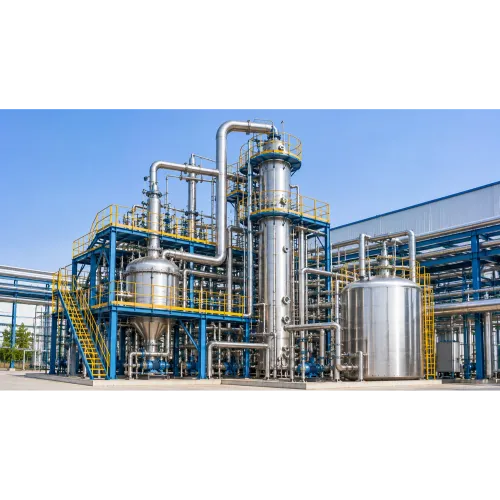
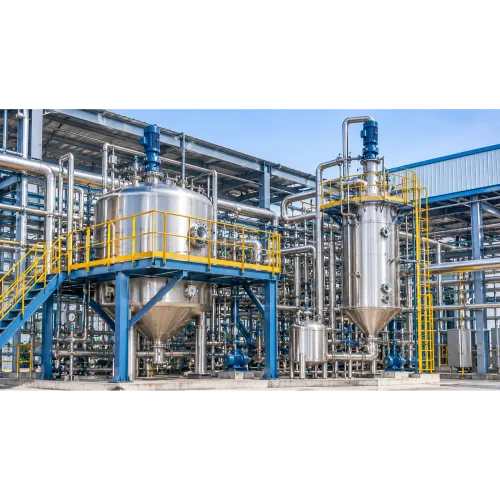
A well-designed herbal extraction plant integrates raw material preparation, extraction, solid-liquid separation, solvent recovery and concentration. Depending on the product requirements, the system may also include filtration, drying and solvent storage and handling equipment.
Choosing the right herbal extraction plant manufacturer is important because extraction efficiency, product quality, solvent consumption, temperature control and cleaning requirements depend on the complete process design—not simply the capacity of the extraction vessel.
An effective herbal extraction plant is designed around the plant material, target compounds, solvent properties and required extract quality, with each processing stage integrated to support reliable production.
1. What Is an Industrial Herbal Extraction Plant?
An industrial herbal extraction plant is a process system used to recover desired compounds from roots, leaves, flowers, seeds, bark and other botanical materials. The selected plant configuration depends on the raw material, solvent, extraction method and intended final product.
A typical plant may include extraction vessels, heating and cooling arrangements, agitators where required, solid-liquid separation equipment, concentration systems and solvent recovery equipment.
The process generally follows these stages:
Raw material preparation: Botanical material is cleaned, sorted, dried where necessary and reduced to a suitable particle size.
Solvent preparation: A suitable solvent or solvent mixture is selected and prepared according to the extraction process.
Extraction: The prepared material is contacted with the solvent under controlled time, temperature and mixing conditions.
Solid-liquid separation: Spent plant material is separated from the liquid extract using suitable filtration or separation equipment.
Extract concentration: Solvent is removed from the liquid extract to achieve the required concentration.
Solvent recovery: Where applicable, solvent vapour is condensed and recovered for reuse after suitable quality checks.
Final processing: Depending on the product, the concentrated extract may undergo further filtration, drying or formulation.
Not every herbal extraction plant uses the same sequence. Some botanical processes require multiple extraction stages, washing, precipitation or additional purification before the extract meets its intended specification.
2. Key Equipment in a Herbal Extraction Plant
The equipment selection should reflect the physical properties of the botanical material, the extraction chemistry, production capacity and final product requirements.
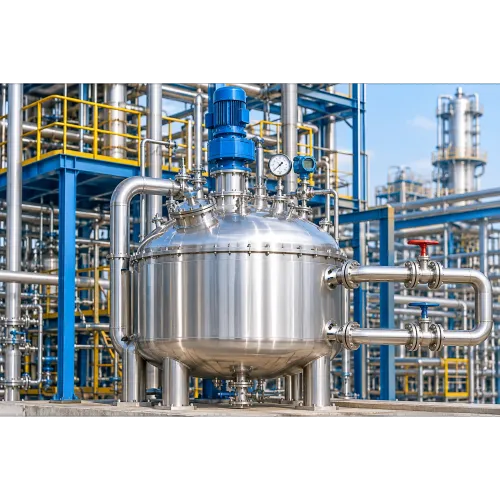
Herbal extraction vessel
The extraction vessel holds the botanical material and solvent during the extraction stage. Depending on the process, it may incorporate a heating or cooling jacket, agitator, temperature measurement, vapour connections and suitable arrangements for charging and discharging solids.
Important design considerations include working volume, material of construction, operating pressure, solvent compatibility, temperature range and cleaning access.
Solid-liquid separation equipment
After extraction, the liquid extract must be separated from the spent botanical material. Suitable equipment may include filters, filter presses, Nutsche filters or other separation arrangements, depending on particle size, solids loading and required extract clarity.
The selected system should minimise product loss while providing practical cake discharge, cleaning and handling of spent solids.
Filtration and clarification system
Further filtration may be required to remove fine particles before concentration or downstream processing. The filtration arrangement depends on the extract's viscosity, suspended solids, sensitivity to temperature and required clarity.
Cartridge filters may be suitable for certain polishing duties, but they should not automatically be used as the primary separator for heavy botanical solids.
Evaporation and concentration system
An evaporator concentrates the liquid extract by removing part of the solvent. The appropriate configuration depends on solvent properties, heat sensitivity, viscosity, concentration targets and available utilities.
Falling-film, forced-circulation or other evaporator arrangements may be considered where their operating characteristics suit the process. Vacuum evaporation may be useful for temperature-sensitive compounds when the required pressure and thermal conditions can be maintained.
Condenser and solvent recovery system
Vapour generated during concentration can be condensed for solvent recovery where the solvent and process conditions permit. The system may include condensers, receivers, vacuum equipment and associated piping and controls.
Recovered solvent should be assessed for water content, impurities and suitability for reuse. Additional separation or purification may be needed before recycling it to the extraction stage.
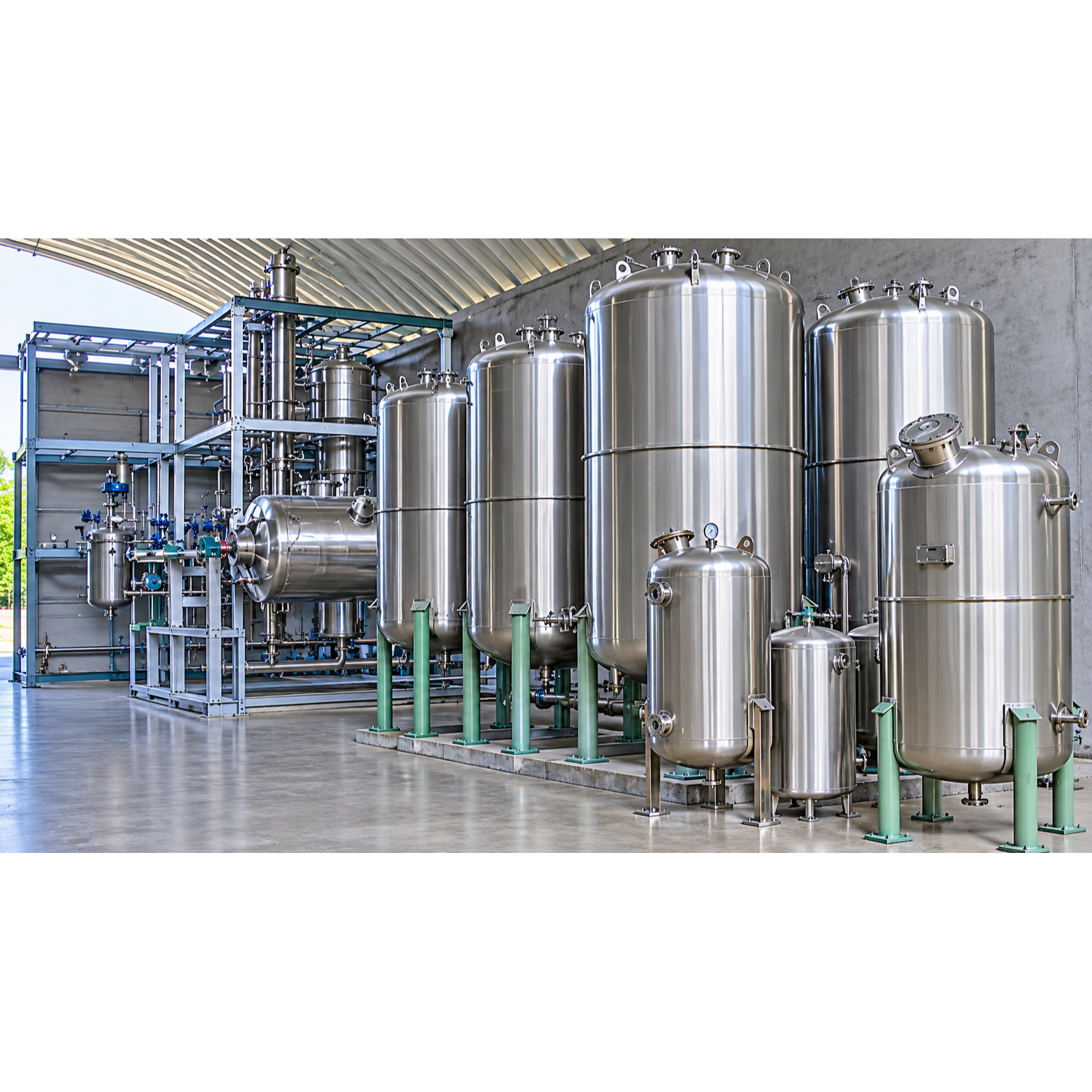
Storage and transfer equipment
Tanks, pumps, pipelines and suitable valves support solvent preparation, extract transfer, intermediate storage and product handling. Materials, seals and electrical equipment must be selected according to the chemical and flammability characteristics of the solvent.
3. Choosing the Right Herbal Extraction Method
The extraction method influences yield, product composition, processing time and downstream solvent recovery. The correct approach depends on the botanical material and the compounds being targeted.
| Extraction method | Process principle | Key considerations |
|---|---|---|
| Solvent extraction | Solvent dissolves selected compounds from plant material | Solvent compatibility, selectivity, temperature and extraction time |
| Hot extraction | Extraction takes place at elevated temperature | Faster extraction may be possible, but heat-sensitive compounds require careful evaluation |
| Cold or low-temperature extraction | Extraction is performed at lower temperatures | Useful for selected temperature-sensitive materials, subject to extraction kinetics and solvent properties |
| Multi-stage extraction | Material or extract passes through more than one extraction stage | Can improve recovery but adds equipment, handling and solvent-management requirements |
| Counter-current extraction | Fresh solvent and botanical material move through successive stages in opposing directions | Can support efficient solvent utilisation in suitable continuous or staged processes |
The choice should be validated against the target compounds, desired extract profile and the performance of downstream concentration and purification stages.
4. Material of Construction and Hygienic Design
Herbal extraction plants may handle aqueous solutions, alcohol-based solvents, mixed solvents and concentrated botanical extracts. Material selection should therefore consider corrosion resistance, chemical compatibility, product contamination risks and cleaning requirements.
Stainless steel grades such as SS304 or SS316L may be considered for compatible applications. The appropriate grade depends on the solvent, botanical constituents, cleaning chemicals, operating temperature and product requirements.
Important design considerations include:
Wetted-part compatibility with the solvent and extract.
Suitable surface finish where product quality requires it.
Drainability and access for inspection and cleaning.
Gasket, seal and valve compatibility.
Prevention of cross-contamination between different botanical products.
Cleaning and, where required, validated cleaning procedures.
Documentation and applicable regulatory requirements for the intended industry.
A plant intended for pharmaceutical or regulated nutraceutical production may require additional controls for traceability, cleaning validation, documentation and product-contact materials. These requirements should be specified before equipment design begins.
5. Temperature Control and Extract Quality
Temperature affects solvent properties, extraction rates and the stability of the compounds being recovered. Excessive heat may degrade certain botanical constituents, while insufficient temperature or contact time may result in incomplete extraction.
Temperature control should be considered across the extraction and concentration stages rather than only at the extraction vessel.
Key factors include:
Extraction temperature: Must suit the target compounds and selected solvent.
Contact time: Determines the time available for mass transfer from plant material into the solvent.
Agitation and circulation: Help maintain contact between solvent and botanical material where appropriate.
Solvent-to-solid ratio: Influences extraction capacity, downstream liquid volume and solvent recovery duty.
Concentration temperature: Must be compatible with the stability of the desired compounds.
Vacuum operation: Can reduce boiling temperature where suitable, but requires appropriate vacuum-rated equipment and vapour handling.
The extraction process should be assessed using representative raw material and suitable analytical methods. Plant species, moisture content, particle size and seasonal variation may all influence performance.
6. Solvent Recovery and Energy Efficiency
Solvent consumption can be a significant operating cost in herbal extraction. A properly integrated recovery system can reduce fresh solvent demand and limit solvent losses, provided the recovered solvent meets the requirements for reuse.
A typical recovery arrangement may involve evaporation, condensation, collection and, where necessary, additional purification. The equipment must be selected according to solvent volatility, boiling behaviour, mixture composition and the presence of water or other impurities.
Potential optimisation measures include:
Recovering suitable solvent vapour through condensation.
Reusing recovered solvent after checking its quality.
Minimising avoidable solvent losses during transfer and discharge.
Evaluating heat recovery and feed preheating where practical.
Selecting suitable vacuum and heating arrangements for the required concentration duty.
Insulating hot equipment and piping where appropriate.
Monitoring solvent consumption and recovery across production batches.
Energy savings depend on the process configuration, utility costs, solvent properties and operating schedule. A process-specific heat and mass balance is needed to compare alternatives reliably.
7. Process Safety in Herbal Extraction Plants
Many herbal extraction processes use flammable solvents such as ethanol. Others may involve hot liquids, vapours, vacuum conditions or pressurised equipment. Safety must therefore be incorporated into the plant design from the beginning.
Important considerations include:
Solvent handling: Storage tanks, transfer lines, pumps, seals and valves should be suitable for the solvent and operating conditions. Measures to prevent leakage and control vapour release are essential.
Fire and explosion protection: Where flammable solvents are used, hazardous-area classification, suitable electrical equipment, bonding and grounding, ventilation and ignition-source control should be addressed according to applicable requirements.
Pressure and vacuum protection: Vessels and connected equipment must be designed for their intended pressure and vacuum conditions. Appropriate relief and protective devices should be selected based on credible operating scenarios.
Temperature protection: Heating controls, high-temperature alarms and interlocks should be suitable for the process and the thermal stability of the extract.
Condenser performance: Condenser capacity and utility availability should be assessed to manage expected vapour loads and reduce solvent emissions.
Cleaning and waste handling: Spent botanical solids, residual solvent and cleaning waste should be handled according to their chemical properties and applicable environmental requirements.
A formal process hazard assessment is appropriate for installations involving significant quantities of flammable solvents or other hazardous process conditions.
8. How to Select a Herbal Extraction Plant Manufacturer
Selecting an equipment supplier requires evaluating the proposed process and the supplier's ability to engineer the complete system.
Before finalising a manufacturer, consider the following:
Process understanding: Can the supplier assess the botanical material, solvent, extraction method and required extract quality?
Equipment integration: Can extraction, filtration, concentration and solvent recovery be considered as one connected process?
Capacity and scale-up: Are batch size, cycle time, extraction yield and downstream equipment capacity aligned?
Material compatibility: Are the vessel, piping, seals and product-contact components suitable for the process?
Temperature and pressure control: Are the heating, cooling, vacuum and safety requirements clearly defined?
Cleaning and maintenance: Can the equipment be inspected, cleaned and maintained practically?
Documentation: Are drawings, operating information, material details and testing documentation appropriate for the application?
Utility and operating costs: Has the supplier considered steam, electricity, cooling, solvent consumption and waste handling?
Where the process is new or the botanical feed varies significantly, laboratory or pilot trials can help establish design parameters before committing to full-scale equipment.
9. Customisation for Different Herbal Extraction Applications
Herbal extraction requirements vary considerably across industries. A system designed for a water-based botanical extract may not be suitable for an ethanol-based extract or a product requiring low-temperature concentration.
Pharmaceutical and nutraceutical extracts
These applications may require controlled extraction conditions, product-contact material compatibility, traceability and additional cleaning documentation. The exact requirements depend on the product and applicable regulations.
Herbal and botanical ingredients
Plant extracts used in food, cosmetics and wellness products may require specific concentration levels, clarity, solvent limits and product characteristics. Extraction and concentration conditions should be matched to the intended application.
Essential oils and aromatic compounds
Essential oils are often obtained through processes such as steam distillation or other suitable extraction methods rather than conventional solvent extraction alone. Equipment selection should reflect the properties of the target compounds and the chosen recovery method.
Specialty plant-derived compounds
Processes targeting particular phytochemicals may require selective solvents, controlled temperature profiles, multiple extraction stages or additional purification. The process should be developed around the required composition and purity rather than using a generic plant configuration.
Herbal Extraction Plant Solutions from Centpro Engineering
Centpro Engineering designs and manufactures process equipment for industrial applications, including herbal extraction systems and associated process equipment. Plant configuration can be evaluated around extraction vessel capacity, solvent compatibility, heating and cooling requirements, solid-liquid separation, concentration and solvent recovery.
The objective is to integrate the equipment according to the botanical material, intended product, production capacity and operating conditions.
For a process-specific assessment, share the type of botanical material, solvent, required batch capacity, target extract concentration, operating temperature and solvent recovery requirements with Centpro Engineering.