
Achieving high product purity from a complex feed mixture requires more than simply selecting a distillation column. Industrial distillation systems must be engineered around the physical properties of the feed, separation requirements, operating conditions, energy availability and downstream process integration.
At CentPro Engineering, we design and engineer customised distillation and fractionation systems for chemical, pharmaceutical, petrochemical, solvent recovery and process industries. Our approach combines process design, thermal engineering, equipment selection, fabrication, automation and complete project execution to deliver reliable separation systems.
Engineering the Right Distillation Column
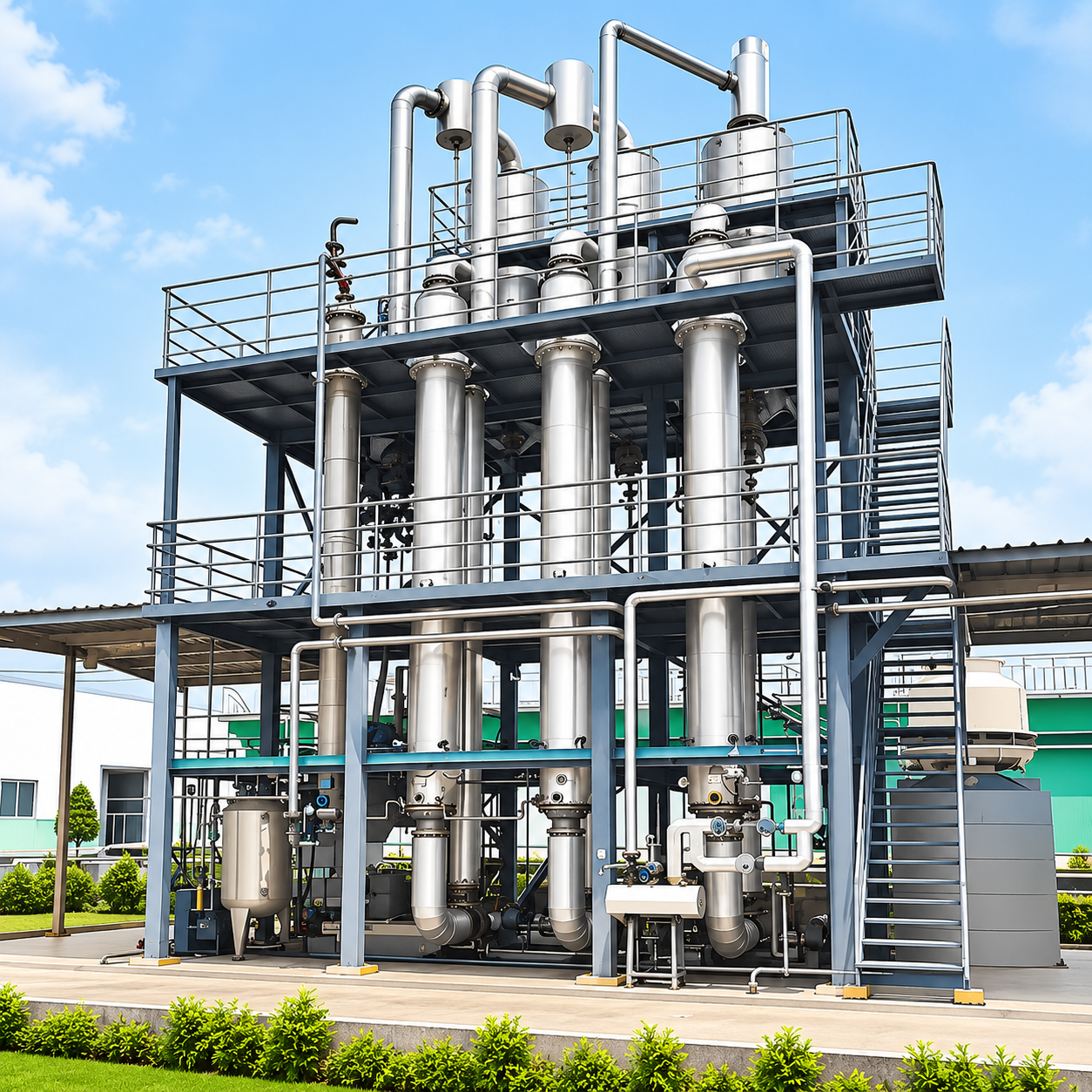
The performance of a distillation system depends strongly on vapour-liquid equilibrium (VLE) and the relative volatility of the components being separated. Based on the feed characteristics and required product purity, the column can be designed with suitable trays or structured/random packing.
Tray columns are commonly selected for applications requiring robust operation and flexibility across varying flow conditions, while packed columns can provide efficient mass transfer with lower pressure drop, making them suitable for vacuum operation and heat-sensitive products.
Column diameter, height, number of theoretical stages, tray efficiency, packing characteristics and pressure conditions are carefully evaluated during engineering.
Reflux Ratio and Separation Efficiency
The reflux ratio is one of the most important operating parameters in distillation. Increasing reflux can improve separation and product purity, but it also increases energy consumption and equipment duty.
CentPro's process engineering approach evaluates the optimum balance between product purity, recovery, column size and energy consumption to develop an economically viable system.
Feed Conditions Matter
Feed temperature, pressure, composition, flow rate and phase condition directly influence column performance. Proper feed conditioning and feed-stage selection can reduce energy requirements and improve separation stability.
For multi-component separation, process simulation and material and energy balances are used to establish suitable operating conditions and column configurations.
Integrated Reboiler, Condenser and Reflux Systems
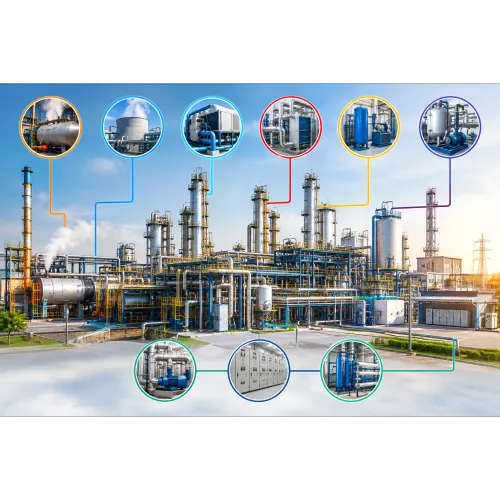
A distillation column operates as an integrated system. Reboilers provide the required vaporisation duty, while condensers recover overhead vapour and enable reflux generation. Heat recovery and energy integration can further reduce utility consumption.
Depending on the application, CentPro engineers systems for solvent distillation, solvent recovery, fractionation and high-purity chemical separation, including customised configurations for challenging process conditions.
From Process Design to Complete System
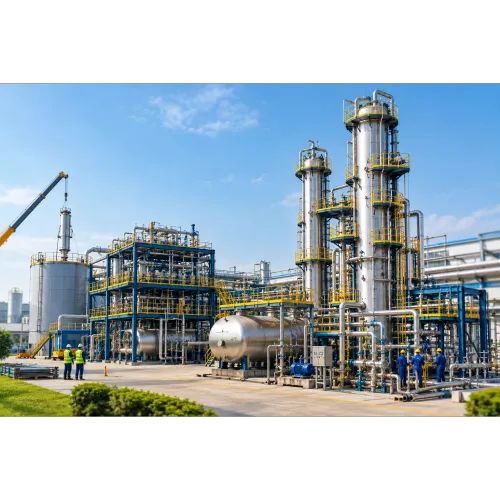
A reliable distillation plant requires coordinated engineering across process, mechanical, thermal, piping, instrumentation and automation disciplines. CentPro Engineering supports projects from process evaluation and equipment design through manufacturing, installation, commissioning and turnkey execution.
Whether the requirement is a standalone distillation column, a complete industrial distillation plant, or an integrated solvent distillation system, the objective remains the same: achieve the required separation performance with dependable operation and optimised energy consumption.
Looking for a Distillation or Fractionation Solution?
Share your feed composition, flow rate, required product purity and operating conditions with CentPro Engineering. Our process engineering team can evaluate the separation requirement and develop a suitable distillation or fractionation system for your application.
Enquire with CentPro Engineering today for customised distillation, solvent recovery and chemical separation solutions.